Commercial Product Strategy: Aligning Software Development with Your Funding Runway


Commercial Product Strategy: Aligning Software Development with Your Funding Runway
Building custom software is one of the largest financial investments a growing business or startup will make. Yet, many executive teams experience a dangerous disconnect between their engineering roadmap and their financial runway. When software development focuses solely on technical features rather than business milestones, companies risk burning through capital before reaching key growth targets. To ensure sustainable growth, software development must align directly with commercial outcomes. Bridging the gap between engineering execution and business metrics ensures every sprint protects your cash runway and delivers measurable return on investment.
The High Cost of Misaligned Engineering Goals
When development teams operate in isolation from commercial strategy, priorities naturally shift toward technical perfection rather than market speed. While clean code and high performance are important, building features that do not directly support customer acquisition or retention shortens your financial runway without driving growth. Common consequences of misaligned software goals include: - Over-Engineering Early Features: Building complex systems for scale before validating demand burns cash on functionality users may never need. - Delayed Market Launch: Perfectionist development cycles push back product launches, delaying critical revenue and feedback loops. - Misallocated Development Budget: Technical resources are spent on low-impact internal tools rather than core customer-facing value. - Disconnect with Investors: Failing to hit key product milestones on schedule makes securing follow-on funding significantly harder. A successful product strategy ensures every line of code serves a clear commercial purpose.
Key Strategies to Protect Runway Through Software Alignment
Aligning development with commercial milestones requires a shift in how product roadmaps are planned and executed. 1. Focus on Revenue-Generating Features First: Prioritize features that directly drive conversion, retention, or operational efficiency. Delay nice-to-have capabilities until core value is proven. 2. Tie Sprints to Financial Milestones: Structure engineering deliverables around commercial goals, such as securing your first ten enterprise clients or reaching key user metrics ahead of fundraising. 3. Establish Clear Scope Boundaries: Keep development cycles short and fixed. Fixed-scope deliverables prevent budget inflation and keep engineering focused on high-priority outcomes. 4. Maintain Open Commercial Communication: Ensure lead developers understand the company's financial burn rate, launch deadlines, and strategic goals so they can make informed technical trade-offs.
Auditing Software ROI Ahead of Key Milestones
Before committing capital to new development phases, evaluate how your current technical investments support your overall business objectives. Focus your product audit on three primary questions: - Feature Utilisation: Are existing customers actively using the features your team recently built? - Development Velocity vs. Cost: Is the current speed of feature delivery justified by the monthly burn rate? - Strategic Impact: Does the current technical roadmap directly support your next commercial milestone or funding round?
Maximizing Impact with Commercial Software Partners
Achieving true alignment requires engineering teams to think like commercial partners rather than passive task executors. When internal capacity is limited, partnering with external app engineering teams that prioritize commercial strategy ensures software projects stay focused on driving growth while strictly preserving company runway. By putting commercial outcomes first and technical execution second, business leaders ensure their technology investments extend financial runway, accelerate market momentum, and build long-term enterprise value.
Related Insights

·
4 min read
The Agency Rescue Playbook: How to Salvage Stalled Projects Without Doubling Your Spend

·
4 min read
Avoiding Tech Quicksand: Why Early Architecture Decisions Dictate Series A Success

·
4 min read
Solving Tech Skill Shortages: Dedicated Sprints for Growth

·
11 min read
Modernising Financial Apps: Next-Gen API Integration

·
7 min read
How Fixed Scope Sprints Accelerate Product Roadmaps
·
5 min read
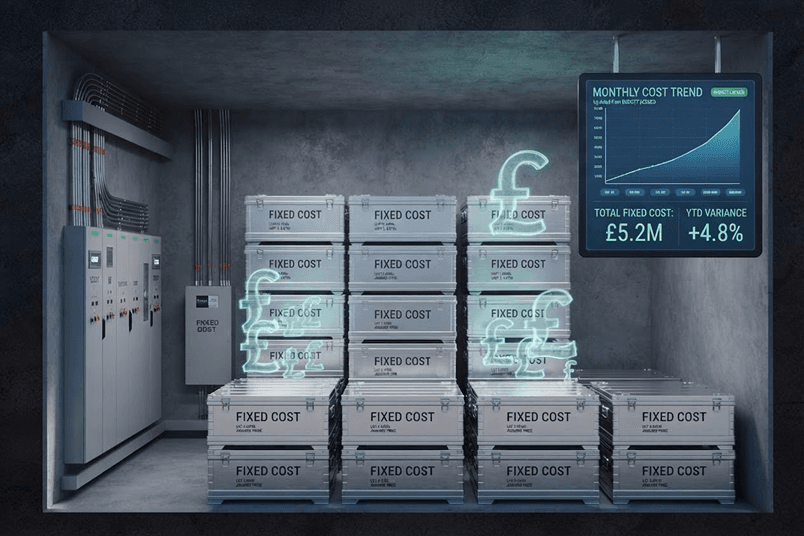
Fixed-Price vs. Hourly Billing: Protecting Your Runway

·
3 min read
VC Technical Due Diligence Checklist for Startup Apps

·
2 min read
Building Scalable Fintech Apps: Security & High Throughput

·
4 min read
The AI Prototype Trap

·
3 min read
Why AI Agents Fail Without Product Structure

·
5 min read
Good UX is System Design, Not Interface Design

·
3 min read
No-Code Works… Until Systems Start to Scale

·
3 min read
Cybersecurity Is No Longer Just an IT Problem

·
7 min read
AI Is Becoming The Expensive Option
·
8 min read
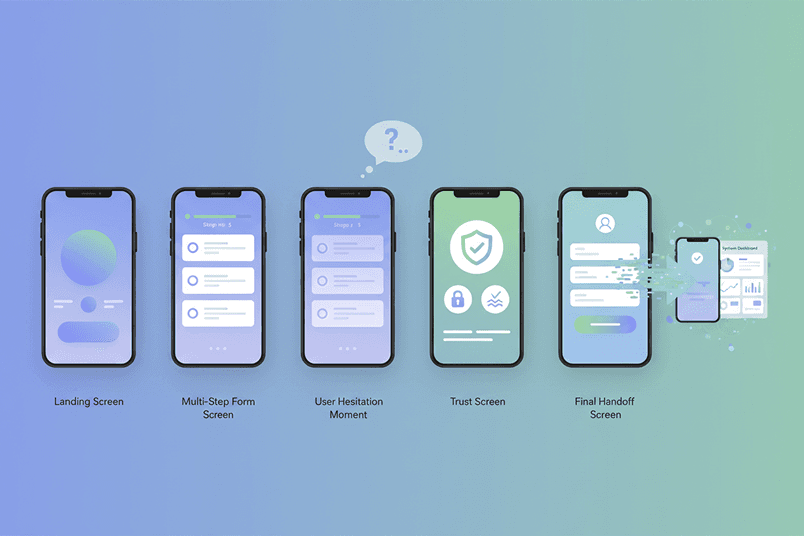
UX for Legal Claim Funnels
·
8 min read
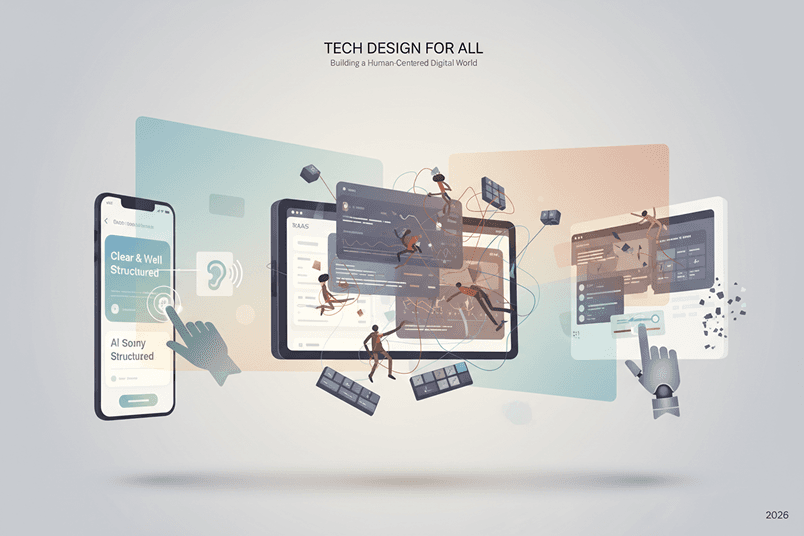
Accessibility Is Product Quality
·
3 min read
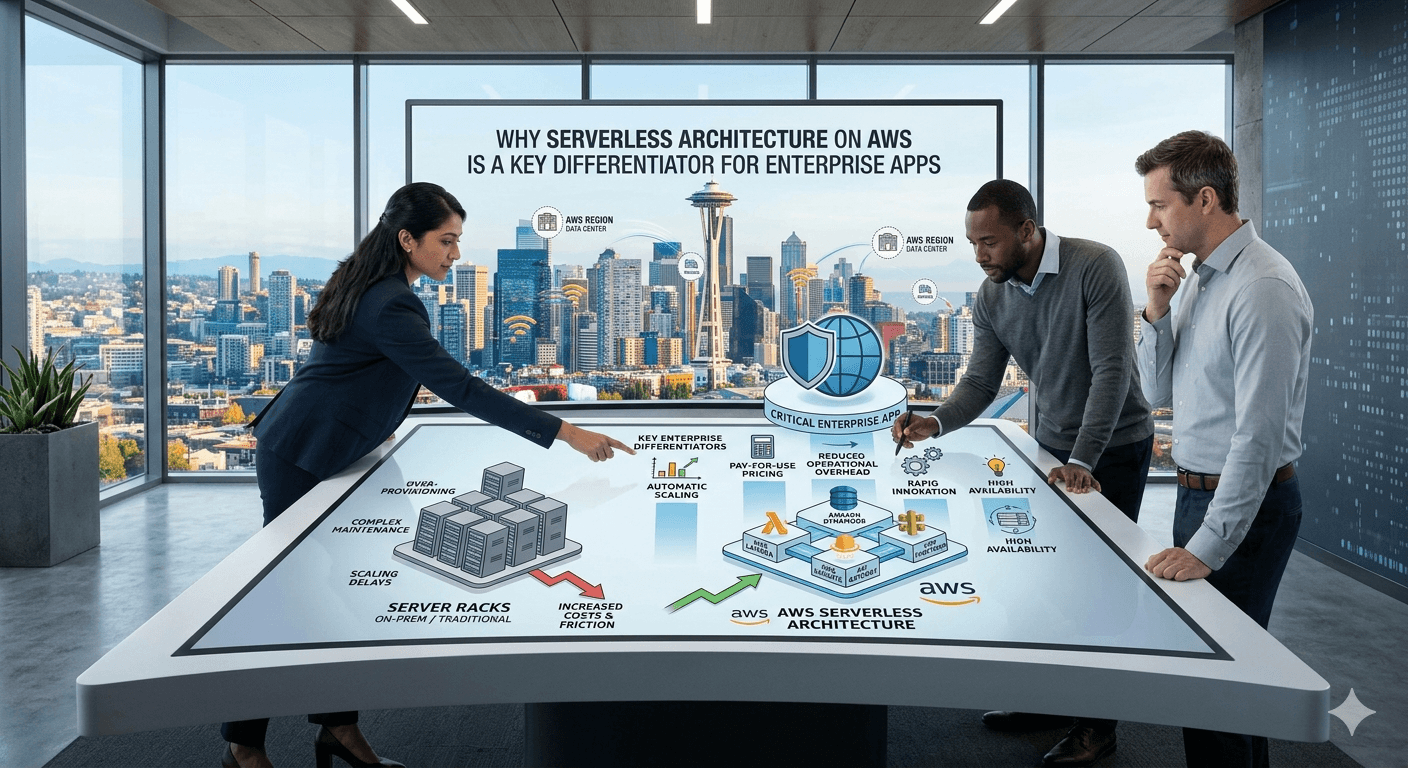
Serverless Architecture on AWS is a Key Differentiator
·
3 min read
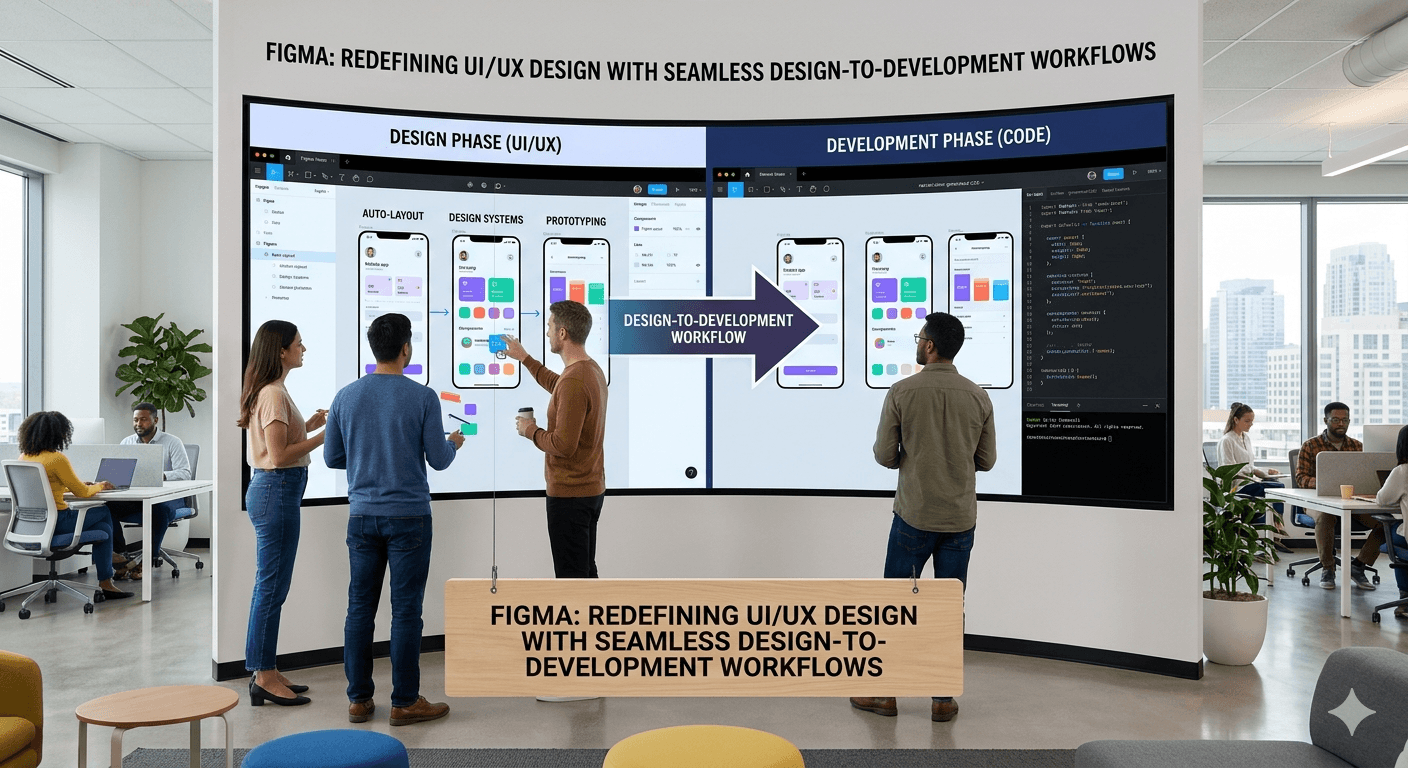
Redefining UI/UX Design Seamlessly

·
3 min read
Claude Rides on SpaceX’s Cloud Infrastructure