Fixed-Price vs. Hourly Billing: Protecting Your Runway

Why Your Billing Model Matters
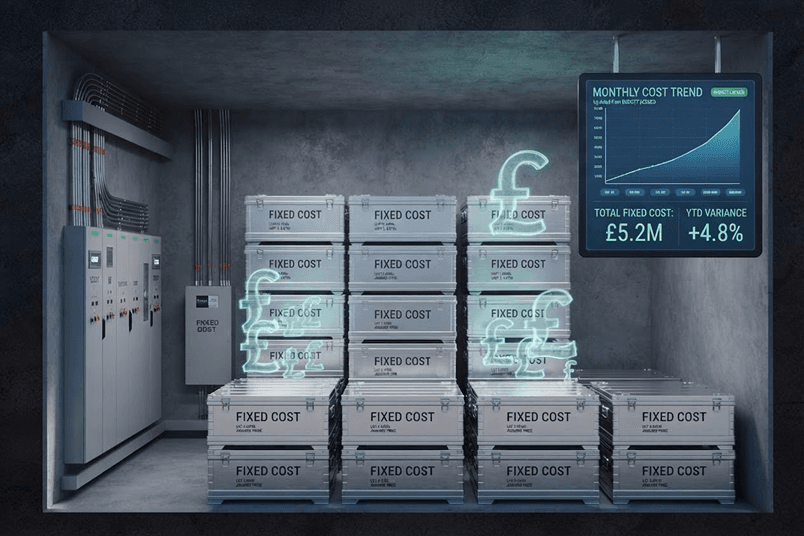
For a startup, every pound matters. Your budget needs to cover product development, marketing, hiring, operations and the unexpected costs that come with growing a business. That makes the way you pay for development more important than it might first appear. Traditional hourly billing can make a project seem flexible and affordable at the beginning. You pay for the time used, and the work continues as long as the budget allows. The problem is that the final cost can become difficult to predict. A project that was expected to cost £20,000 can gradually become £30,000 or more as requirements change, decisions take longer, or additional work is needed. When your budget is limited, that uncertainty can put pressure on your entire runway.
The Problem With Hourly Billing
Hourly billing links the cost of a project to the amount of time spent working on it. On the surface, this sounds straightforward. In practice, it can make it difficult to know exactly how much you will spend before the work is complete. A project may take longer because priorities change, new requirements are introduced or unexpected issues appear. Some of these changes may be necessary, but each additional hour increases the cost. For a startup, this creates a difficult question: how do you plan your finances when you do not know what the final development bill will be? It can also shift the focus from achieving an outcome to tracking time. Instead of asking whether the product is being delivered effectively, conversations can become focused on hours, tasks and invoices.
The Hidden Cost of Uncertainty
The biggest risk is not necessarily paying for a few extra hours. It is the uncertainty that comes with not knowing where the final cost will land. When development costs increase unexpectedly, businesses may have to delay other investments. Marketing campaigns might be postponed. New hires may be pushed back. Product improvements may have to wait. For an early-stage company, these decisions can have a significant impact. Your development budget should support your growth, not make it harder to plan for it.
How Fixed-Price Development Works
Fixed-price development takes a different approach. Instead of paying for an open-ended number of hours, the project is agreed around a defined scope, set of deliverables and expected outcome. The price is established around that agreement before development begins. This gives you a clearer view of what you are committing to financially. For example, rather than agreeing to pay for an unknown number of development hours, you might agree on a defined project that includes specific features, milestones and deliverables for an agreed price. The goal is not simply to put a price on development. It is to create greater certainty around what you are buying and what you can expect to receive.
Fixed Scope Creates Clearer Expectations
A fixed-price model works best when everyone understands what is being delivered. Before work starts, the project should be broken down into clear requirements and outcomes. This gives both sides a shared understanding of what success looks like. It also makes conversations about changes much easier. If you decide to add something outside the original scope, you can assess that change separately rather than allowing additional requirements to quietly increase the cost of the entire project. Clear boundaries help protect both the budget and the relationship.
Outcome-Led Development Puts Results First
There is an important difference between paying for activity and paying for an outcome. An hourly model primarily measures how much time is spent. An outcome-led approach focuses on what needs to be delivered and why it matters to the business. That could mean launching a minimum viable product, creating a customer portal, automating a manual process or bringing a new digital service to market. The development work is there to achieve that goal. This gives everyone a clearer target and makes it easier to measure progress against something meaningful rather than simply counting hours.
Protecting Your Startup Runway
Your runway is the amount of time your business can continue operating with the money available to it. Unexpected development costs can shorten that runway. A fixed-price project can make financial planning easier because you have a clearer development cost from the outset. You can then allocate the rest of your budget with greater confidence. This does not mean every project will have no unexpected costs. Requirements can change, and new opportunities can appear. The difference is that a well-defined fixed-scope agreement makes those changes visible and manageable. You know what is included, what is not included and what happens if you decide to change direction.
Certainty Does Not Mean Sacrificing Flexibility
One common concern is that fixed-price development means being locked into a rigid plan. It does not have to work that way. Good project planning allows room for sensible decision-making while keeping the original agreement clear. If priorities change, new requirements can be discussed and priced separately rather than allowing them to create an open-ended increase in cost. This gives startups both structure and flexibility. You have a clear plan to work towards, while still being able to make informed decisions when circumstances change.
Choose Predictability Over Open-Ended Costs
For startups, development should be an investment that moves the business forward. A billing model that makes costs difficult to predict can create unnecessary financial pressure. A fixed-scope, outcome-led approach provides a clearer connection between your investment, the work being delivered and the result you are trying to achieve. The question is not simply whether you should pay by the hour or by the project. It is whether your development partner can give you enough clarity to plan your budget, protect your runway and know what you are getting for your investment. When every pound counts, that certainty matters.
Related Insights

·
11 min read
Modernising Financial Apps: Next-Gen API Integration

·
7 min read
How Fixed Scope Sprints Accelerate Product Roadmaps

·
3 min read
VC Technical Due Diligence Checklist for Startup Apps

·
2 min read
Building Scalable Fintech Apps: Security & High Throughput

·
4 min read
The AI Prototype Trap

·
3 min read
Why AI Agents Fail Without Product Structure

·
5 min read
Good UX is System Design, Not Interface Design

·
3 min read
No-Code Works… Until Systems Start to Scale

·
3 min read
Cybersecurity Is No Longer Just an IT Problem
·
8 min read
UX for Legal Claim Funnels
·
8 min read
Accessibility Is Product Quality
·
3 min read
Serverless Architecture on AWS is a Key Differentiator
·
3 min read
Redefining UI/UX Design Seamlessly