Redefining UI/UX Design Seamlessly
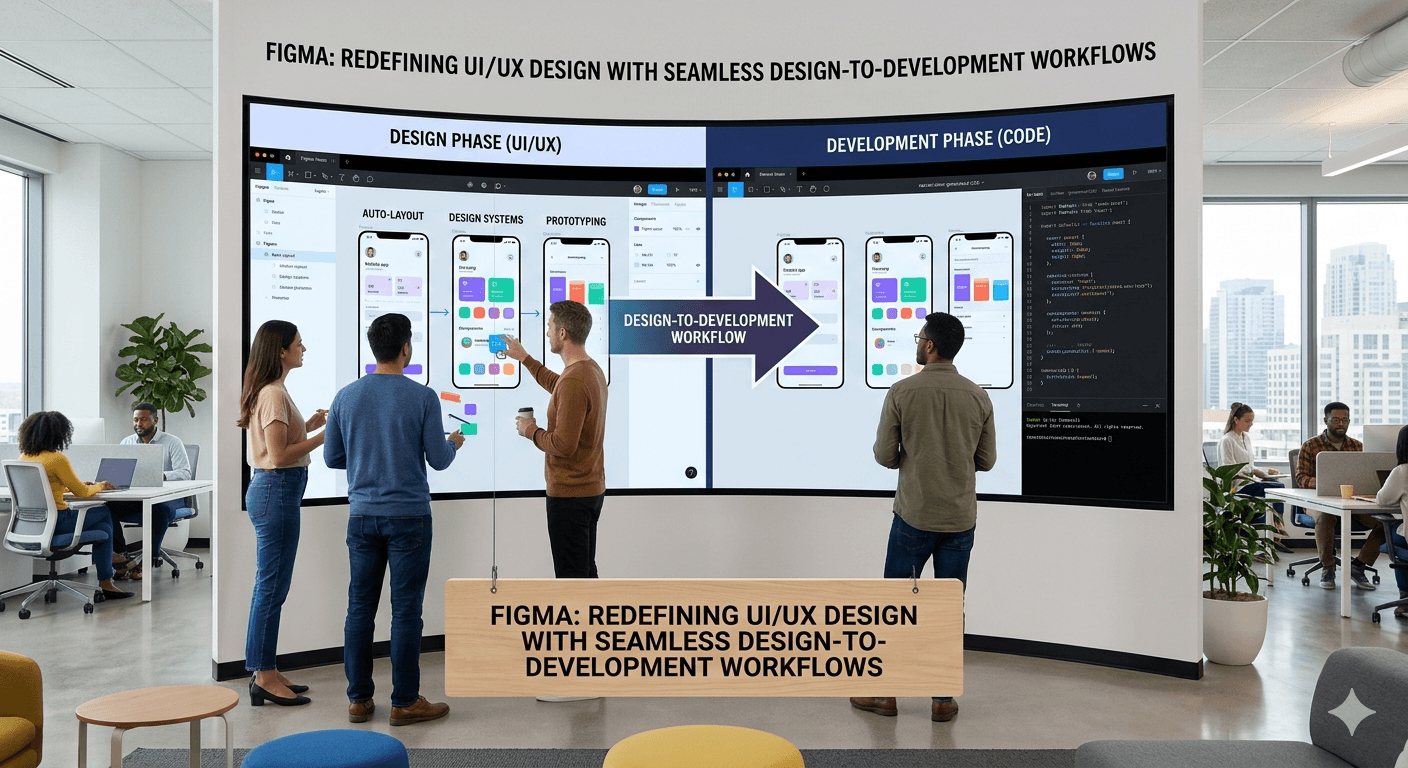

Figma has emerged as the preeminent tool for UI/UX design, transforming how teams conceptualise, prototype, and deliver digital products. Its rise is not just a matter of popularity, Figma has reshaped the design landscape by blending accessibility, collaboration, and technical precision into a single platform. One of the primary reasons for Figma’s dominance is its cloud-based collaboration model. Unlike traditional design tools that lock files to individual machines, Figma allows designers, developers, and stakeholders to work simultaneously on the same file in real time. Comments, version history, and live updates mean that teams can iterate faster and reduce misunderstandings that typically plague the handover process between design and development. Another standout feature is Figma’s component system and Master Component Protocol (MCP). MCP allows teams to create reusable, scalable design components that maintain consistency across projects. When a designer updates a master component, those changes automatically propagate across all instances in the project, ensuring alignment without repetitive manual updates. This is particularly powerful for large-scale projects where UI consistency is critical. Crucially, MCP facilitates a smooth transition from design to development. Figma’s components can be directly translated into developer-friendly assets, reducing the friction of handoff. Developers can inspect elements, access style guides, and even generate CSS, Swift, or XML snippets directly from the design file. This integration minimises guesswork, speeds up implementation, and ensures the final product matches the designer’s intent. Figma’s ecosystem also includes plugins, widgets, and integrations that enhance productivity. From accessibility checks and content generation to advanced prototyping and animation, the platform supports designers in creating fully realised experiences without leaving the Figma environment. Its compatibility with tools like Jira, Slack, and GitHub further embeds design workflows into broader product development pipelines. Accessibility is another factor in Figma’s widespread adoption. By operating in the browser and supporting multiple operating systems including Windows, macOS, and Linux, Figma lowers the barrier to entry for teams and freelancers alike. There is no need for expensive software licenses or high-spec machines, making the tool attractive for both startups and enterprise design teams. Finally, Figma’s emphasis on community and shared resources has strengthened its position as the go-to design platform. Figma Community offers templates, UI kits, and educational content, enabling designers to learn, share, and scale projects efficiently. The community-driven approach not only accelerates individual workflows but also encourages innovation and cross-pollination of ideas. In a market crowded with alternatives like Sketch, Adobe XD, and InVision, Figma stands out because it addresses the full lifecycle of product design, from ideation and prototyping to development handoff and iteration. Its collaborative, cloud-native approach, combined with the power of MCP for maintaining design fidelity across platforms, makes it the tool of choice for modern UI/UX teams. Figma has not just become a design tool, it has become the platform on which modern digital experiences are built, bridging the gap between creativity and implementation with unmatched efficiency and precision.
Related Insights

·
11 min read
Modernising Financial Apps: Next-Gen API Integration

·
7 min read
How Fixed Scope Sprints Accelerate Product Roadmaps

·
5 min read
Fixed-Price vs. Hourly Billing: Protecting Your Runway

·
2 min read
Building Scalable Fintech Apps: Security & High Throughput

·
4 min read
The AI Prototype Trap
·
3 min read
Why AI Agents Fail Without Product Structure

·
5 min read
Good UX is System Design, Not Interface Design
·
8 min read
UX for Legal Claim Funnels
·
8 min read
Accessibility Is Product Quality