Solving Tech Skill Shortages: Dedicated Sprints for Growth


Why Traditional Recruitment Creates Friction for Growing Businesses
To overcome these delays, many growing companies are turning to dedicated, fixed-scope app engineering teams. By using structured, focused blocks of work, businesses can access the exact skills they need without the burden of permanent hiring. Hiring specialist software engineers is rarely quick or simple. When a company needs to launch a new mobile app, update an existing system, or build custom tools, internal teams can quickly become stretched beyond their capacity. Setting up a full hiring pipeline comes with several clear challenges: Long Lead Times: Recruiting skilled developers often takes months from the initial job post to the first day on the job. High Fixed Costs: Expanding headcount involves ongoing salaries, benefits, equipment, and training overheads. Skill Gaps: Projects often require a mix of specialized skills, such as design, testing, and backend engineering. Finding all these qualities in a single new hire is rare and expensive. Resource Distraction: Company leaders spend valuable time reviewing applications and holding interviews instead of focusing on core business activities. When deadline pressures increase, these recruitment bottlenecks delay product updates, frustrate customers, and allow competitors to move ahead.
What Are Dedicated Sprints?
A sprint is a focused, fixed period during which a team works to complete a specific set of tasks or features. Instead of hiring permanent staff, companies work with dedicated external engineering teams that deliver these planned blocks of work. Dedicated sprint models focus on delivering clear, measurable outcomes within a predictable timeframe and budget. Key elements of this approach include: Fixed Scope: The goals, features, and expectations for the sprint are agreed before work starts, keeping efforts focused on core priorities. Complete Cross-Functional Teams: Rather than hiring individual contractors, companies gain access to a complete team that already includes engineers, designers, and project leads. Short Cycles: Work is delivered in short, manageable iterations, allowing businesses to review progress regularly and adjust direction as required. This structured setup allows companies to start engineering projects immediately without navigating a lengthy hiring process.
Bypassing the Recruitment Bottleneck
Working with a dedicated team allows small and medium businesses to skip the slow recruitment phase completely. The external team steps in with established working methods, clear tools, and proven experience. This model provides several distinct advantages: Immediate Access to Expertise: Dedicated engineering teams bring broad technical knowledge from working across multiple projects. They apply proven patterns and workflows from day one, avoiding the initial learning curve that comes with onboarding individual hires. Predictable Costs and Low Risk: Because the scope and timeline are fixed, businesses know their exact commitments upfront. This removes the risk of unexpected recruitment fees or long-term payroll overheads if project priorities shift. Flexibility to Scale Effort Up or Down: Business needs change over time. Fixed-scope sprints allow companies to ramp up engineering effort during major product builds and scale back during quieter operational periods. Delivering Better Results Through Clear Focus Speed is useless without quality. Dedicated sprint teams focus strictly on the defined scope without the daily operational distractions that often interrupt internal staff. By removing workplace interruptions and focusing entirely on a single project, sprint teams maintain high momentum. Regular reviews ensure that business leaders remain in full control of the project direction while avoiding the day-to-day burden of task management. This approach ensures that software improvements are delivered steadily, predictably, and with clear quality controls in place.
A Modern Strategy for Sustainable Growth
Solving tech skill shortages does not always require adding permanent headcount. By partnering with dedicated, fixed-scope app engineering teams, growing businesses can remove hiring friction, control development costs, and bring digital products to market faster. Focusing on outcome-based sprints gives smaller businesses the speed and agility typically enjoyed by much larger companies, ensuring technology remains an engine for growth rather than a bottleneck.
Related Insights

·
11 min read
Modernising Financial Apps: Next-Gen API Integration

·
7 min read
How Fixed Scope Sprints Accelerate Product Roadmaps

·
7 min read
Why Continuous Cyber Tracking Beats Annual Audits for SMEs
·
5 min read
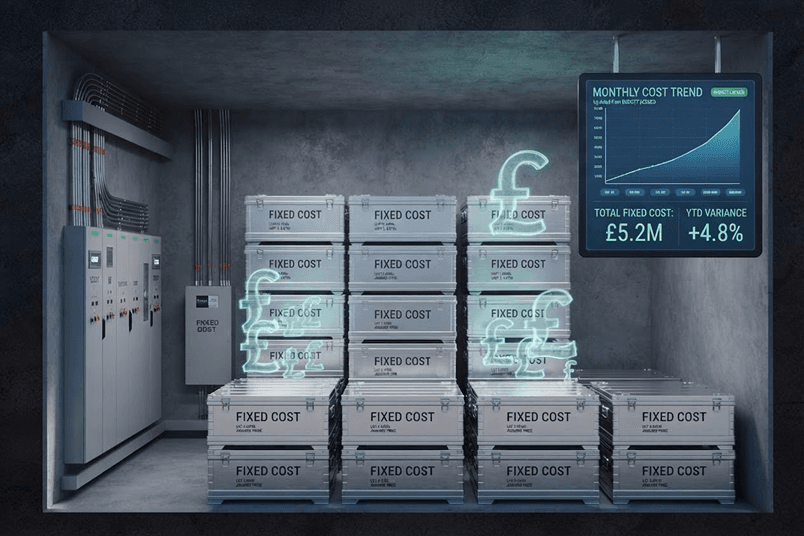
Fixed-Price vs. Hourly Billing: Protecting Your Runway

·
3 min read
VC Technical Due Diligence Checklist for Startup Apps

·
2 min read
Building Scalable Fintech Apps: Security & High Throughput

·
4 min read
The AI Prototype Trap

·
3 min read
Why AI Agents Fail Without Product Structure

·
5 min read
Good UX is System Design, Not Interface Design

·
3 min read
No-Code Works… Until Systems Start to Scale

·
3 min read
Cybersecurity Is No Longer Just an IT Problem

·
7 min read
AI Is Becoming The Expensive Option
·
8 min read
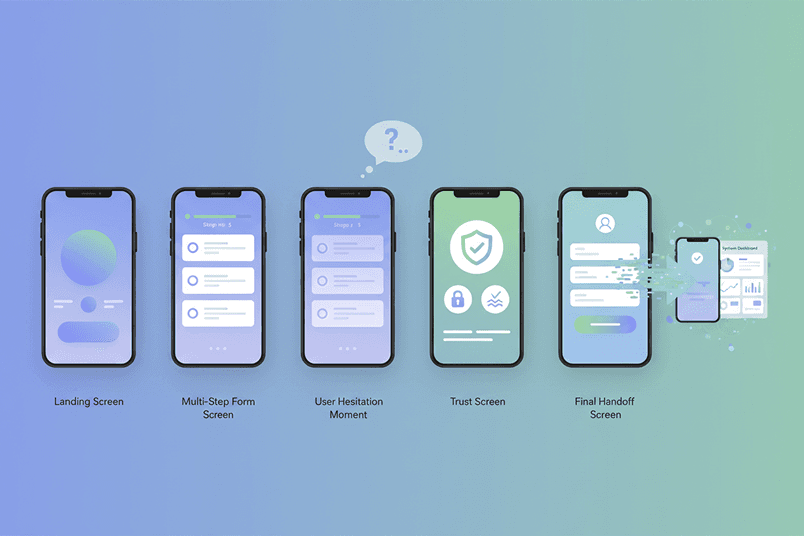
UX for Legal Claim Funnels

·
8 min read
Accessibility Is Product Quality

·
3 min read
Serverless Architecture on AWS is a Key Differentiator
·
3 min read
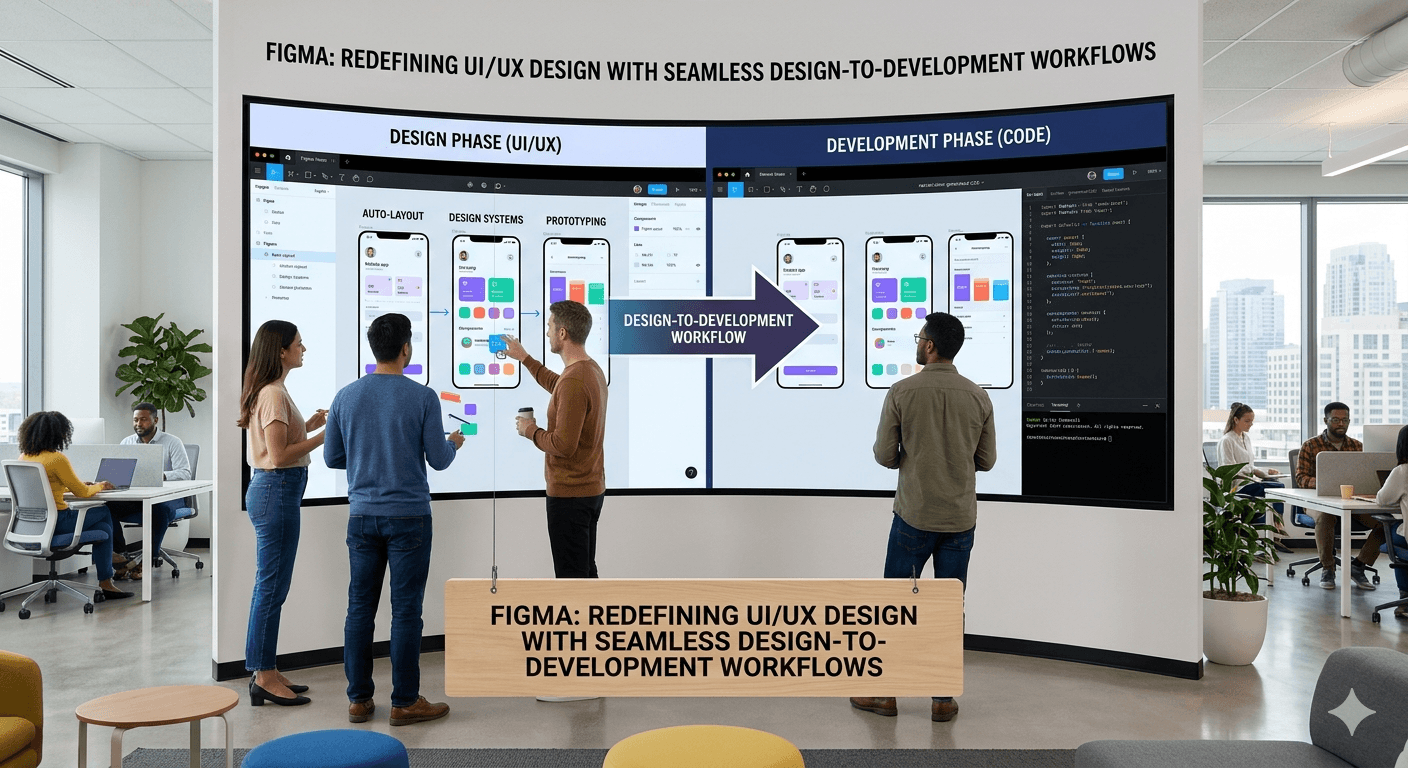
Redefining UI/UX Design Seamlessly

·
3 min read
Claude Rides on SpaceX’s Cloud Infrastructure